
Highlighting Our Members
WCC is fortunate to have so many inspiring, hard-working member organizations. In this monthly series, we are proud to shine a spotlight on the important work folks are doing in cancer control and prevention across the state.
If you're interested in being featured, reach out to [email protected]!
This Month's Member Spotlight
Families Fighting Hereditary Cancer
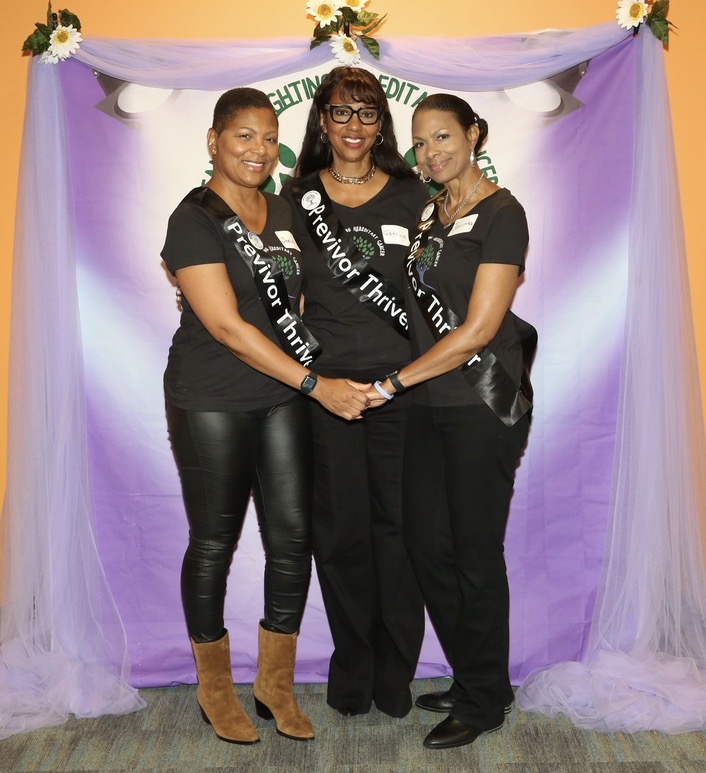
Families Fighting Hereditary Cancer (FFHC) was founded in the summer of 2024 by sisters, Sheila Adams Gardner, Patricia Cifax, and Jacinta Tatum, after learning that they each inherited the genetic mutation RAD 51D from their father. Sheila Adams Gardner, co-founder and executive director, shared with WCC about her personal experience with hereditary cancer. "This mutation elevated our risks for breast and ovarian cancers. Our parents, both grandmothers, six aunts, and six uncles were diagnosed with various cancers. Most died, including our mother. In 2023, my sisters and I underwent prophylactic surgeries to manage our cancer risks. The peace of knowing that we will never get ovarian cancer and have reduced our chances of getting breast cancer by 95% fuels our passion to educate and encourage other families to fight."(opens in new tab)
 FFHC's mission is to spread awareness about hereditary cancer and cancer prevention, advocate for greater access to genetic testing and preventative healthcare and provide community for individuals impacted by hereditary cancer. Their motto is: KNOW your risk. MANAGE your risk. BEAT hereditary cancer! Sheila Adams Gardner shared with us: "FFHC's ultimate goal is to save the lives of people with a family history of cancer by educating them on proactive strategies to BEAT cancer BEFORE it has a chance to strike!"
FFHC collaborated with the Medical College of Wisconsin Cancer Center last year for its first cancer prevention community forum in fall 2025. FFHC is pleased to share that on September 12th, FFHC and its partner, Medical College of Wisconsin Cancer Center will host their 2nd Annual Cancer Prevention Community Forum, "When We Fight, We Win!" at the new Michels Center for Cancer Discovery in Milwaukee. This free event features medical experts, previvor testimonies, live cooking, line dancing, a lab tour, and a preview of a nation-leading mobile cancer screening clinic.
Additionally, FFHC recently met with federal lawmakers to discuss legislation to improve access to cancer prevention care for people facing hereditary cancer. This advocacy work was led by Facing Hereditary Cancer Empowered (FORCE), the premier national organization supporting individuals facing hereditary cancer.
Member Spotlight Archive
Northwest Wisconsin Cancer Center (NWCC), a bold collaboration between Tamarack Health Ashland Medical Center and Essentia Health, proudly celebrates its 10th anniversary: a decade of innovative treatment, compassionate support, and an unwavering commitment to the people of northwest Wisconsin and the Upper Peninsula of Michigan. In a region where comprehensive cancer centers are extraordinarily rare, NWCC delivers the same advanced treatments found at major metropolitan cancer centers — in Ashland, Wisconsin. NWCC is accredited by the Commission on Cancer (CoC) through the Essentia Health – Duluth site.
NWCC staff also highlighted that “the NWCC is a testament to what is possible when health systems, communities, and donors work together toward a shared vision. The $12 million facility was made possible through the partnership of Tamarack Health Ashland Medical Center and Essentia Health — two organizations united by a commitment to serving patients close to home.”
NWCC serves the community in ways other than direct patient care as well – through community events like their 3rd Annual Oncology Health Fair coming up on Friday September 25th from 10am-4pm at the Northern Great Lakes Visitor Center. This free event serves as a day of education, support, and resources for people impacted by cancer in any way. The health fair brings together local agencies and experts to provide valuable information, guidance, and encouragement for patients, families, caregivers, and community members.
NWCC also has a Compassionate Care Fund (CCF) program which offers financial assistance to patients in need, understanding that the financial impacts of having a cancer diagnosis can be life altering. The CCF program does not pay for medical bills or car repairs but has helped to pay for mortgages, rent, utility bills, hotel stays, gas cards, grocery cards, wood to heat someone's home and so much more since its inception. At NWCC's most recent fundraiser, Raffle for a Cause, community members came together to raise over $65,000 - 100% of which will come back to CCF and stay local. Raffle for a Cause was created by NWCC's staff as a way to help our patients. The CCF program is not income dependent which sets it apart from many others. Laura Martinsen, the Sole Social Worker, at NWCC, states, "The CCF program is not a handout instead it is a hand up to our patients at a time in their lives when it is so desperately needed."
As NWCC looks toward its second decade, the center remains committed to expanding access, embracing new technologies, and ensuring that geography is never a barrier to exceptional cancer care. The collaboration between Tamarack Health and Essentia Health continues to grow stronger — a partnership rooted in the belief that rural patients deserve the same quality of care as anyone, anywhere.
Tricia's Troops Cancer Connections
The WCC member spotlight organization for July is Tricia’s Troops Cancer Connection. Tricia’s Troops Cancer Connection is a non-profit organization that provides financial assistance, wellness programming, and supportive care to people who have been impacted by cancer. They have partnered with WCC on survivorship mini grants to serve the psychosocial needs of survivors. They serve people of any age and any cancer type within Waukesha County and the bordering counties in southeast Wisconsin.
Tricia’s Troops Cancer Connection’s financial assistance program seeks to address the daily living challenges and out-of-pocket expenses that become a burden for many families during treatment. Their survivorship program focuses on recovery through healthy eating, active living, stress management, and social support. The organization also hosts a free wig bank program and in-person classes and activities led by their team of cancer wellness specialists. To ensure local cancer fighters and survivors feel the embrace of the community on their journey toward healing, the organization also delivers care totes filled with essential supplies.
“‘I wish I had known about your organization sooner’ is the feedback we most often receive from new participants in our programming,” shares Candice Strong, Executive Director of Tricia’s Troops Cancer Connection. The organization’s staff don’t always have a direct connection to community members while they are in cancer treatment. They instead rely on word of mouth from cancer fighters and survivors who have received support from the organization in the past, along with the social workers, nurse navigators, and others at a cancer center who help spread the word to their patients. “We are grateful for those recommendations and wish we were able to make everyone aware of our resources when they need them most.”
To broaden the reach and impact of their resources, Tricia’s Troops Cancer Connection seeks to collaborate with other community-based cancer support organizations who serve a population that could benefit from their programs and services. The team believes collaboration can emphasize social connection, shared experiences, and peer support for the community members they serve. They also aspire to deepen collaboration with the cancer centers in their service area to help nurture holistic healing in an environment that is separate from the places where patients go for their medical treatments.
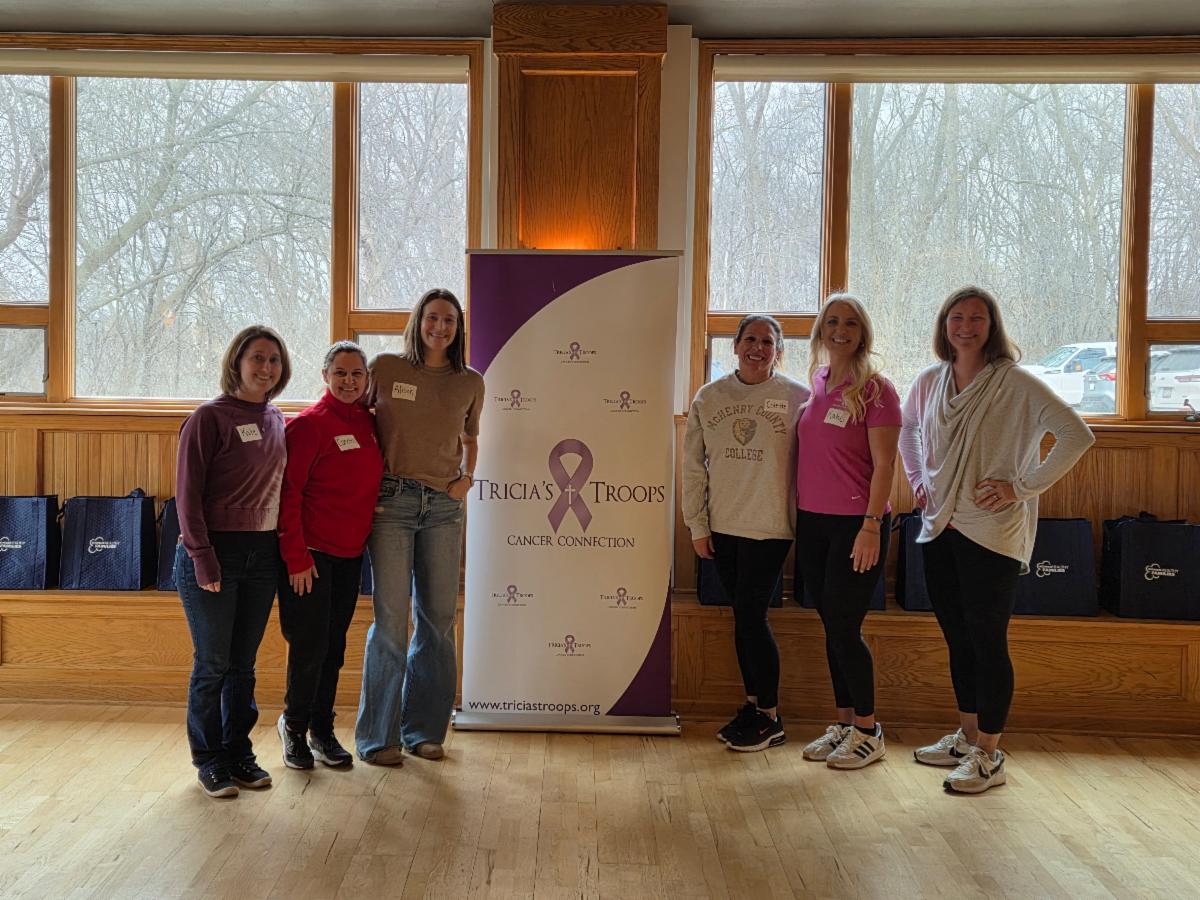
This year, the organization is celebrating its 15th anniversary! On Thursday, August 27th from 3-7 p.m., they are hosting a ribbon cutting and open house. All are welcome to tour their space, learn more about their work, and discover ways to work together for our cancer community. To learn more in the meantime, visit their website!
Young Survival Coalition
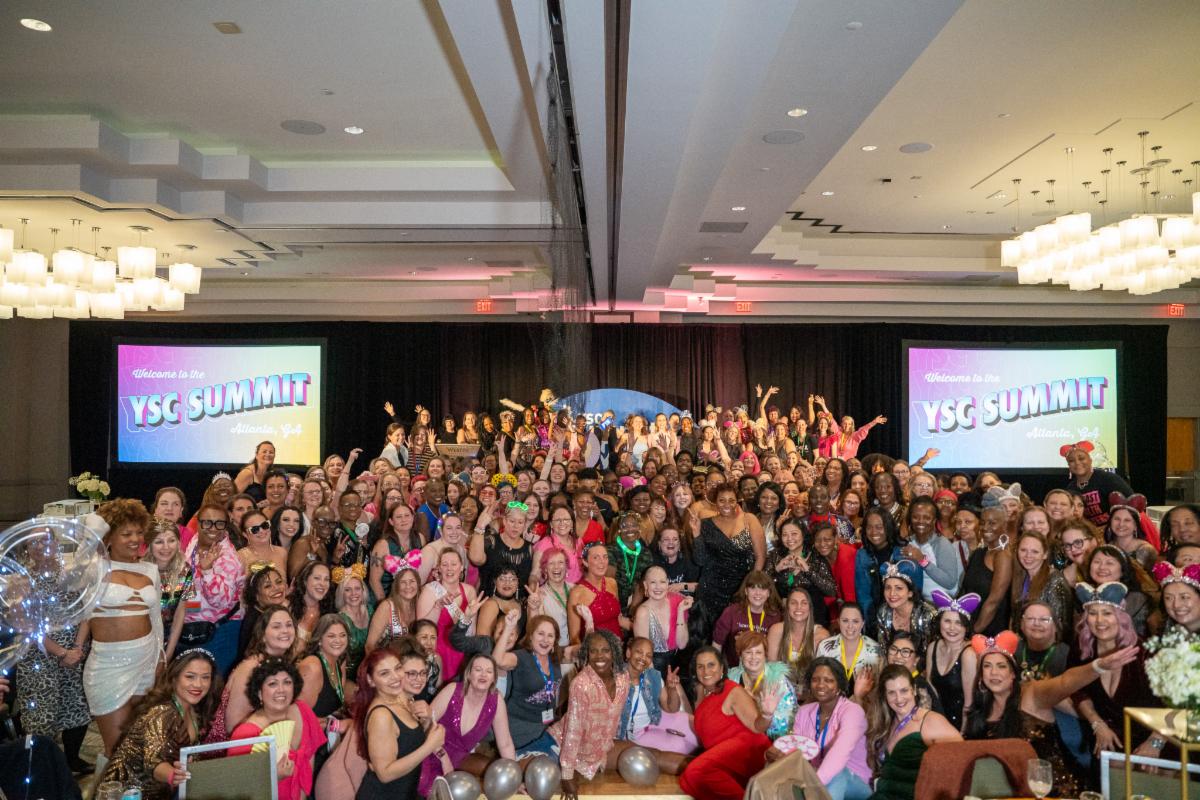
In recognition of National Cancer Survivor Month, our June member spotlight organization is Young Survival Coalition (YSC). Since 1998, YSC has provided resources and community to anyone diagnosed with breast cancer age 40 and under, along with their co-survivor support networks. Through comprehensive education, online and in-person connection, and tailored support, YSC works towards their ultimate goal – that every young adult affected by breast cancer is seen, supported and never alone.
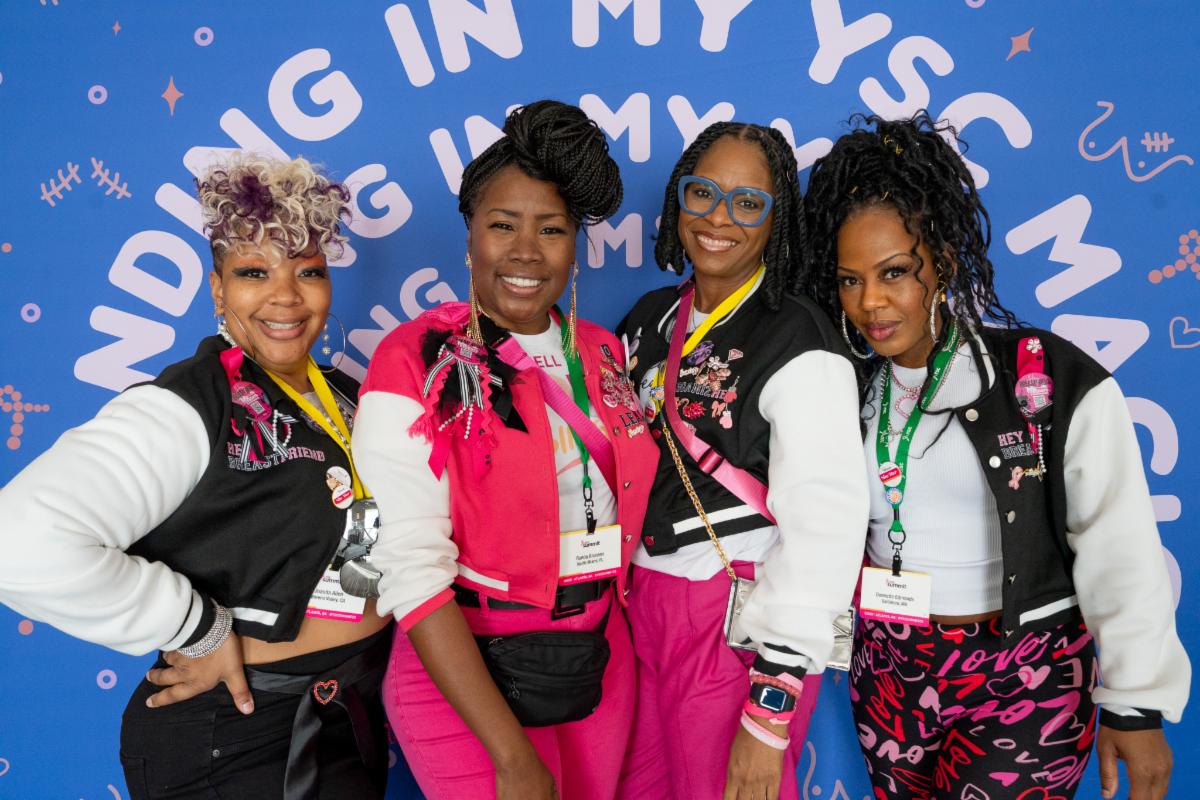
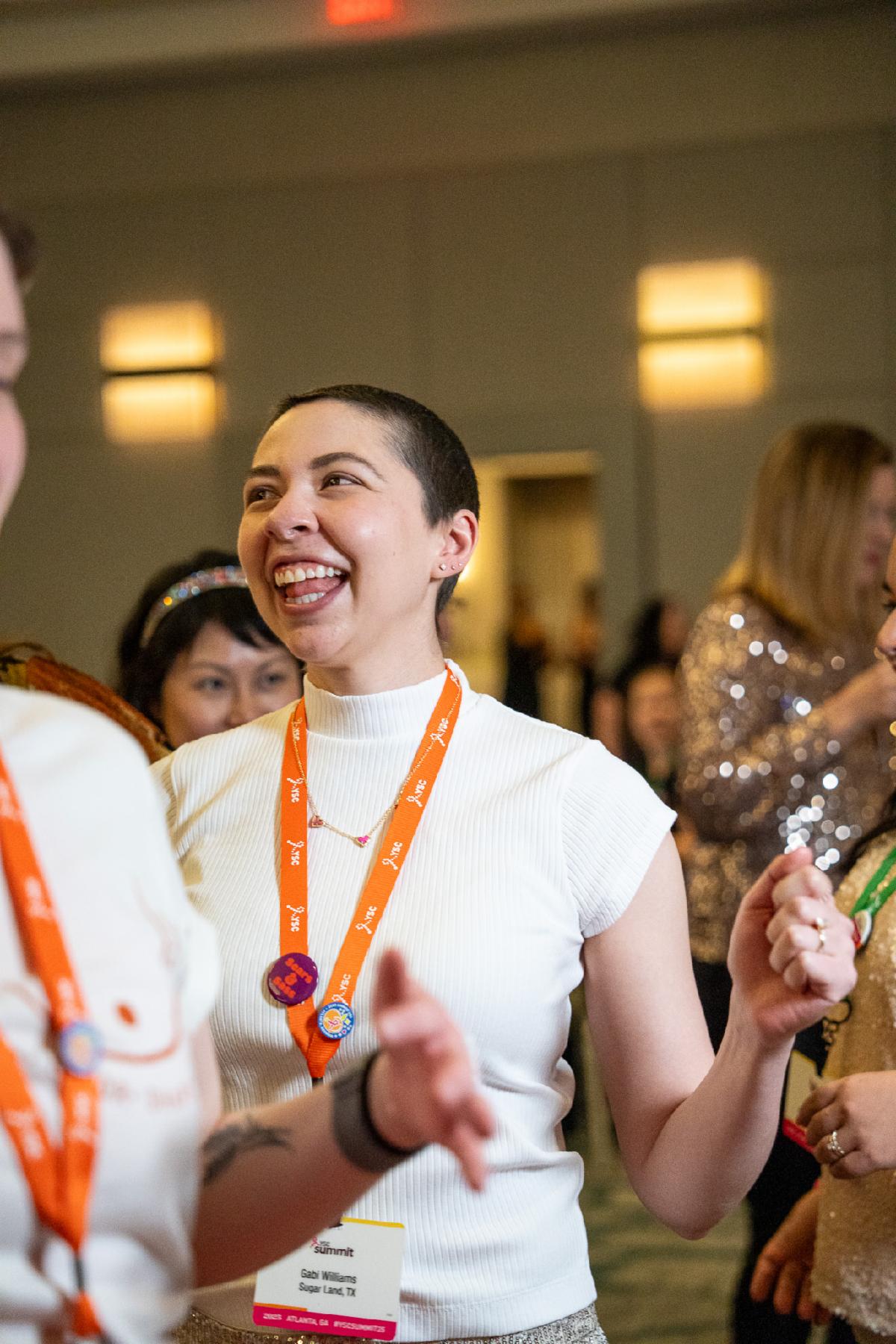
As a national organization, YSC has a broad reach – facilitating over 130 in-person support groups across the country, including 3 Wisconsin-based groups in Madison, Milwaukee, and Oshkosh. Their hybrid community engagement model also allows them to foster connection through affinity-based, moderated private Facebook groups and virtual hangouts and group coaching sessions. Their two annual events – the YSC Summit in spring and the YSC Wellness Summit in fall – bring together their community for education, self-care, and connection.
YSC also works closely with other organizations to best serve the young breast cancer community. One recent and successful achievement of YSC’s collaborative work is Project 528. The goal of this global needs assessment was to better understand the unique challenges faced by young breast cancer survivors across diverse geographic and cultural contexts. This project engaged various partners, including patient advocacy organizations, healthcare providers, industry representatives, and individual patient advocates. These partners helped YSC identify the right questions to ask, determine how to reach respondents across different contexts, and strategically amplify the survey's reach around the world. As a result, nearly 4,000 survey responses from 67 countries were collected, reflecting the voices of young adults with breast cancer across a truly global landscape.
Further broadening YSC’s network is an important priority for the organization. “We are deeply committed to ensuring we are reaching all young survivors who need YSC's programs and supportive services — because no young adult should have to face a breast cancer diagnosis alone,” shares Amanda Nixon, Director of Community Engagement & Empowerment at YSC. “That reach is something we work toward every day, knowing there are still young people out there who don't yet know we exist, or who face barriers that keep them from accessing the support they deserve.”
Looking toward the future, YSC strives to provide increasingly personalized resources for the young breast cancer community, tailored to each person’s breast cancer journey, geographic context, and unique needs.
For over 60 years, the Great Lakes Inter-Tribal Council (GLITC) has brought together different Native American tribes to share resources and support their communities. GLITC manages many different programs, including Vocational Rehabilitation for Native Americans (VRNA), Economic Development, Family Foundations, Americorps Elders, Aging and Disability, Tribal Prep, Rural Infant Health, Dementia Care, Wisconsin Native American Tobacco Network, the Food Sovereignty Greenhouse and Garden, the Small Business Technical Assistance Program, and the Great Lakes Inter-Tribal Epidemiology Center. These programs help people access better healthcare, find good jobs, and start small businesses. The council works to ensure all Native people, from young children to elders, have the help they need to live well. By working as one group through GLITC, the communities also have a stronger voice when talking to the government about tribal needs and rights.

As a government-funded organization, GLITC does face some challenges maintaining a staffing capacity that can support the needs of their many active projects. Also, because GLITC focuses on complex community health problems, like drug use and mental health needs, and serves many people in rural areas, it can be challenging to connect everyone to the care and help that they need.
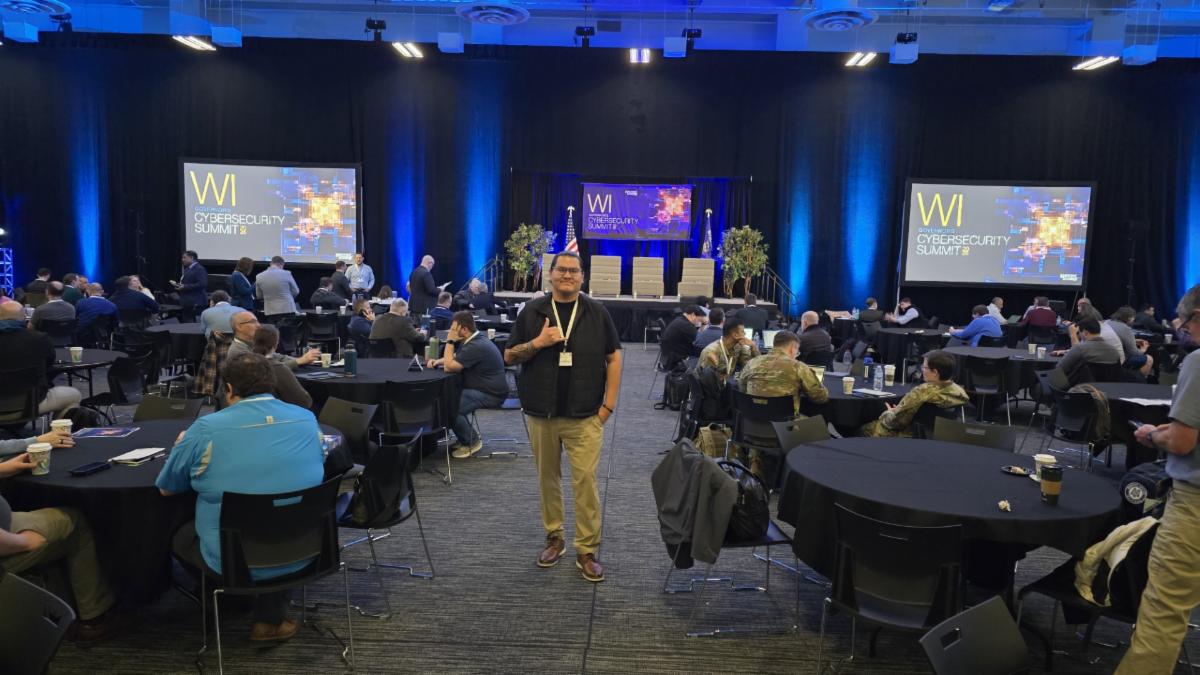
Despite these challenges, GLITC works hard to bring relevant resources directly to the community, including at the upcoming 2026 Share the Care Conference. This event will be the 22nd annual Share the Care conference, which is hosted by a different tribal organization each year and is attended by over 200 community members. The conference offers an opportunity to connect with and learn from tribal health leaders and subject-matter experts, and engages attendees in meaningful conversations about cancer prevention, screening, treatment, survivorship, and community support.
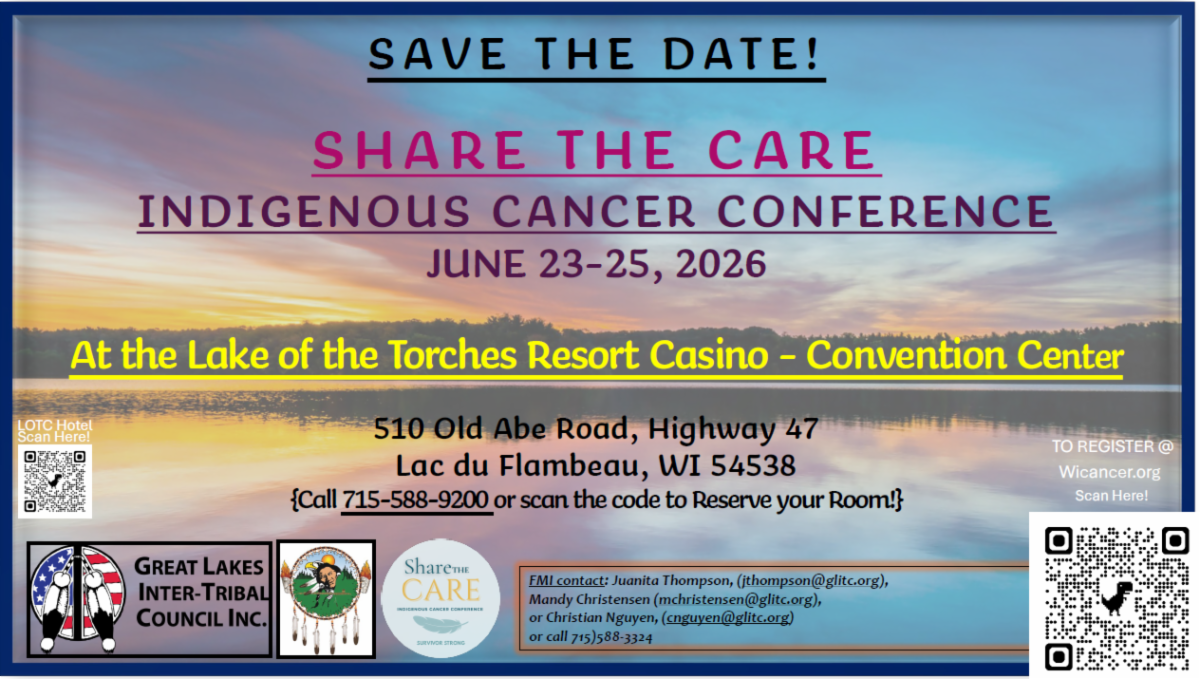
GLITC decided to host the 2026 Share the Care conference because they recognized the terrible impact of cancer for many families across the region. The GLITC team hopes that by having doctors and cancer survivors together in one place, the conference can help people find both expert advice and a community of support. The main goal is to help people feel less alone and give them the tools they need to navigate their health journey.
The 2026 Share the Care Conference will be held at the Lake of the Torches Casino Resort in Lac du Flambeau, WI on June 23-25, 2026. This event is free and open to all, and you can find more information on the conference website.
Learn More About GLITC
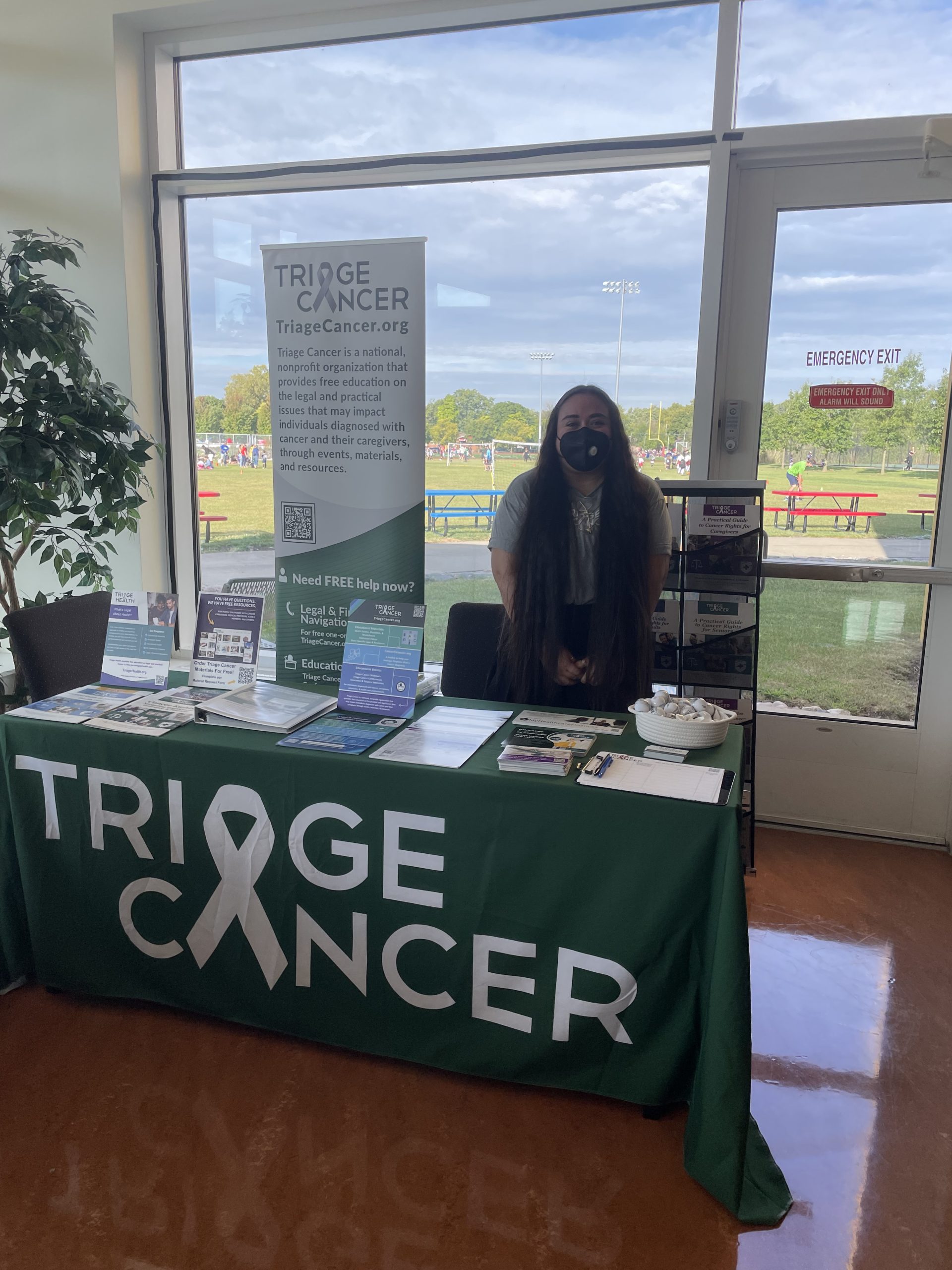
Triage Cancer is a national, nonprofit organization founded in 2012 that provides free education on the legal and practical issues that may impact individuals diagnosed with cancer and their caregivers. The organization hosts events, webinars, and trainings, in addition to publishing helpful resources on their website.
Triage Cancer ensures that those diagnosed with cancer and their caregivers are empowered to find their best path forward, beyond diagnosis. The organization advocates for the health care, financial, insurance, employment, and consumer rights of all people impacted by cancer. They also work to address cancer-related health disparities through their delivery of cancer-related education, collaborative education, and cancer advocacy.
“We encourage people to reach out to us as early as possible, so they have the information they need to make decisions that can help prevent financial toxicity and reduce some of the additional burdens of a cancer diagnosis,” shares Michaela Tobin, Outreach Coordinator for Triage Cancer. “While much of our work involves helping people navigate challenging situations, our goal is to equip them with tools and resources that can make things easier along the way.”
The organization works upstream to address this issue, hosting training programs for health care professionals, patient advocates, and community health workers so that they can provide education to their patients before a crisis strikes.
Triage Cancer exists to ensure those diagnosed with cancer and their caregivers have access to the information needed to make the best decisions for them. They offer state-specific resources to help individuals understand the laws, programs, and benefits available where they live. Wisconsin-specific materials are available on their website. Through their Triage Health program, they are also able to provide resources and materials that are not disease specific. Their resources are free and available to everyone.
Kidney Cancer Association
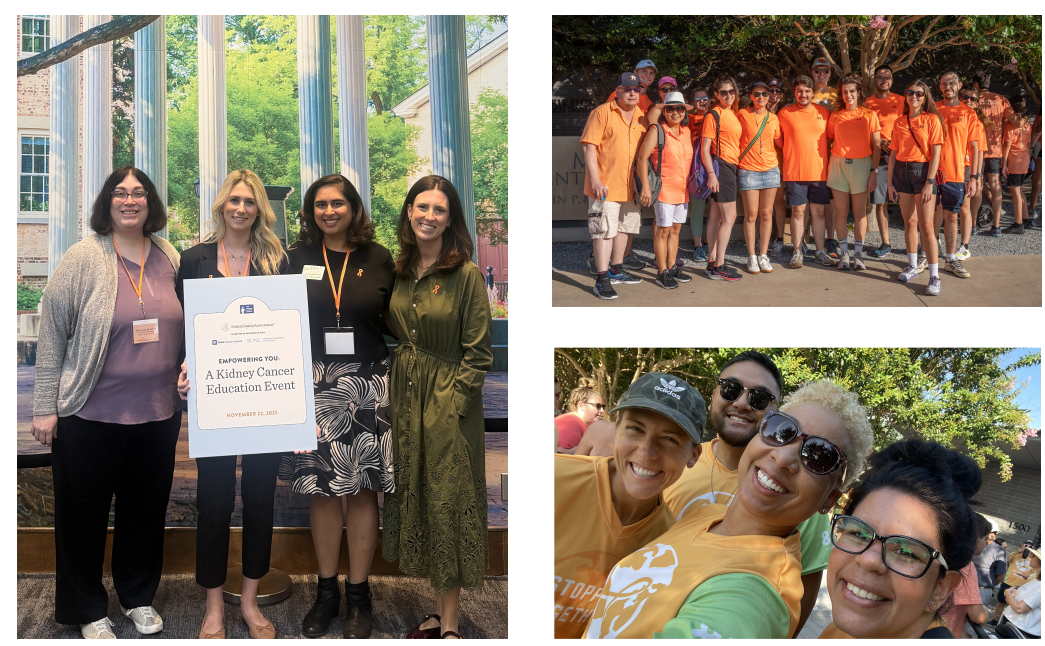
In recognition of March as Kidney Cancer Awareness Month, our member spotlight organization is the Kidney Cancer Association (KCA). Founded in 1990 by Eugene P. Schonfeld and a small group of patients and doctors in Chicago, Illinois, the KCA has since grown into an international non-profit organization. The organization’s mission is to be a global community dedicated to serving and empowering patients and caregivers and to be a leader in change through research, advocacy, and education.
Each year, the KCA hosts two research symposiums and a robust grant program to promote scientific advances in treatment and the search for a kidney cancer cure. The organization also participates in legislative advocacy, powered by the recruitment and mobilization of KCA Ambassadors in communities around the world. Finally, their website is a significant source of education and relevant resources for patients, caregivers, and anyone impacted by kidney cancer.
The KCA regularly collaborates with other organizations like Cancer + Careers, Caregiver Action Network, and Imerman Angels to broaden their programmatic offerings for our patient community. They continue to expand their network of partnered organizations. In 2025, they hosted a virtual young adult retreat for those with kidney cancer in conjunction with two new partners, Elephants & Tea and Stupid Cancer.
During March – and throughout the whole year – the KCA encourages the global community to raise awareness for kidney cancer and #OrangeUp. Their yearly campaign involves wearing orange ribbons, sharing stories on social media, and illuminating cities with orange lights, which included a lighting ceremony in Downtown Milwaukee on March 5 this year.
Looking to the future, the KCA is focused on expanding their science and research efforts for both patients and healthcare providers to work towards their goal of being a leader in finding a cure for kidney cancer.
Gilda's Club Wisconsin
Gilda’s Club Wisconsin – formerly Gilda’s Club Madison – has been supporting cancer survivors and their caregivers since 2008. In 2020, the launch of online programming increased the reach of their organization, allowing them to serve folks in diverse communities throughout 36 Wisconsin counties. As explained in their recent name change announcement, “this name change simply puts words to what has already been true.”
Gilda’s Club Wisconsin, named in honor of comedian Gilda Radner, provides support groups, counseling, educational workshops, and healthy living programs. Their services are free, professionally facilitated, and designed to meet people where they are – whether coping with a diagnosis, cancer-related grief, or caregiving responsibilities. Programming takes place both in-person and online to ensure no one is isolated, regardless of location. For example, in partnership with UW Health regional cancer clinics and WCC, Gilda’s Club Wisconsin has launched a pilot program to host monthly hybrid support groups for patients in three rural communities.
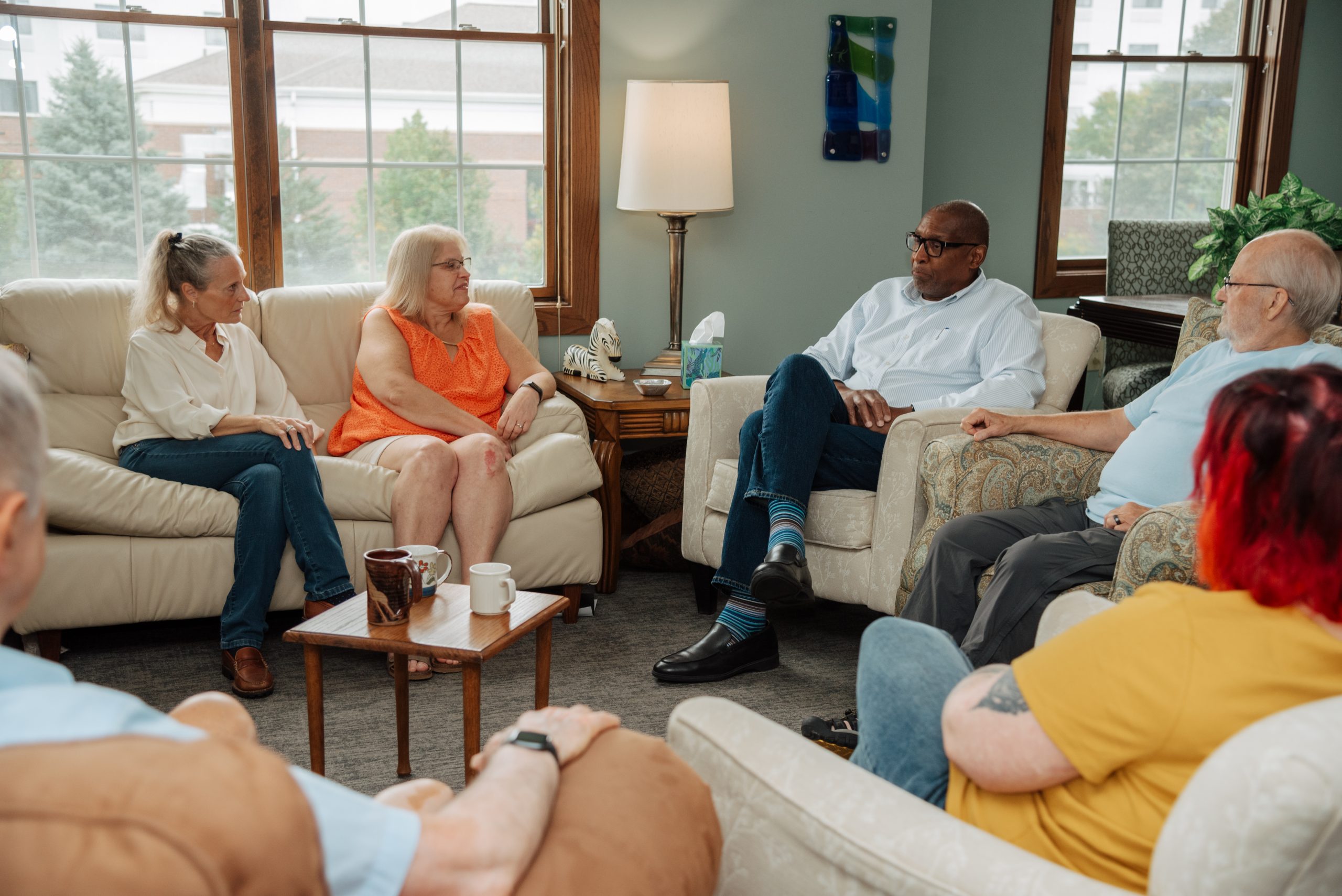
The survivorship experience is unique for each person affected by a cancer diagnosis. Kirsten Norslien, Program Director of Gilda’s Club Wisconsin, said that to be best supported, “people living with cancer need more than a standard care plan.
Access to specialized rehabilitation, dietary guidance, and emotional support programs is increasingly important”. Cancer is disruptive to busy lives, so Kirsten hopes that their “community provides a safe space—a ‘cancer container’—where people can share experiences, learn from each other, and build resilience together.”
The name update is just the most recent step towards Gilda’s Club Wisconsin’s goal of developing a statewide support network that is accessible to every community affected by cancer in the state. “We hear every day from people who tell us they didn’t know support like this existed,” said Lannia Stenz, CEO of Gilda’s Club Wisconsin. “Our name change is about visibility and belonging. About making it clear that support, connection, and hope are available to anyone in Wisconsin impacted by cancer.”
In the coming years, they aim to expand both in-person and virtual programs, offer tailored services for caregivers, young adults, and other underserved populations, and strengthen partnerships with clinics, schools, and community organizations. Their organization works hard to ensure all programs remain free, accessible, and responsive to the evolving needs of the people they serve.
Wisconsin Well Woman Program - Coordinator Spotlight
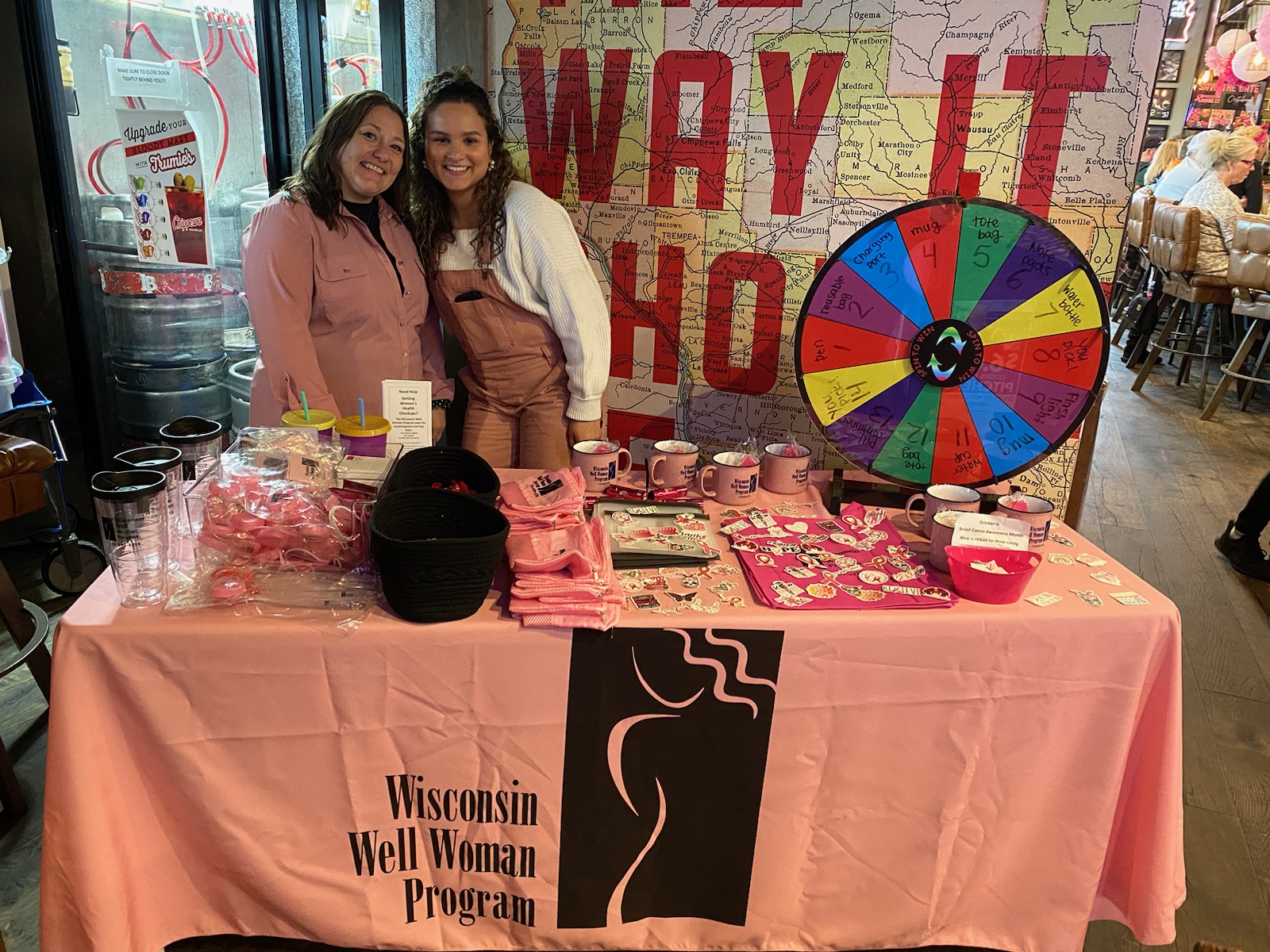
In recognition of January as Cervical Cancer Awareness Month, we are featuring the work of the Wisconsin Well Woman Program (WWWP), which helps women who have little or no health insurance get screened for breast and cervical cancers. To spotlight the great work this program does all over the state, we featured three WWWP coordinators.
WWWP coordinators help clients enroll in the program, connect them with participating providers, and educate the community on the importance of receiving recommended cancer screenings and follow-up diagnostic testing when needed. These coordinators are highly collaborative professionals who build trusting relationships with healthcare providers, community-based organizations, local health departments, and community members through outreach.
Anni Hedlund - WWWP Program Specialist and Spanish Interpreter for the Eau Claire Jurisdiction
Anni Hedlund is the WWWP Program Specialist and Spanish Interpreter for the Eau Claire jurisdiction, an eight-county region that includes Chippewa, Dunn, Eau Claire, Jackson, Pepin, Pierce, St. Croix, and Trempealeau counties.
Within the Family Planning Clinic at the Eau Claire City–County Health Department, Anni has cultivated a strong partnership with the Chippewa Valley Free Clinic. This partnership allows for direct referrals and ensures clients are connected to the health department for cervical cancer screening and appropriate follow-up testing following abnormal Pap results. In addition, the Chippewa Valley Free Clinic hosts quarterly mammogram screenings, during which Marshfield Clinic provides staff for a mobile mammography unit. Anni supports these events by enrolling clients in WWWP prior to the screenings to ensure mammography services are covered.
The personal relationships Anni has built within her community as a WWWP program specialist are valuable to her, sharing, “I’m fulfilled by helping people access the care they need — especially during vulnerable moments – and that experience motivates me to continue supporting them and seeking new resources on their behalf.”
Anni feels fortunate to work on an inspiring team of providers, program specialists, and community outreach staff, highlighting everyone’s shared commitment to supporting their clients. Leveraging their interdisciplinary skills, Anni says the team members can “collaborate to develop strong ideas, accomplish meaningful work both inside the clinic and in the community, and ensure that people receive the care and referrals that best meet their needs.”
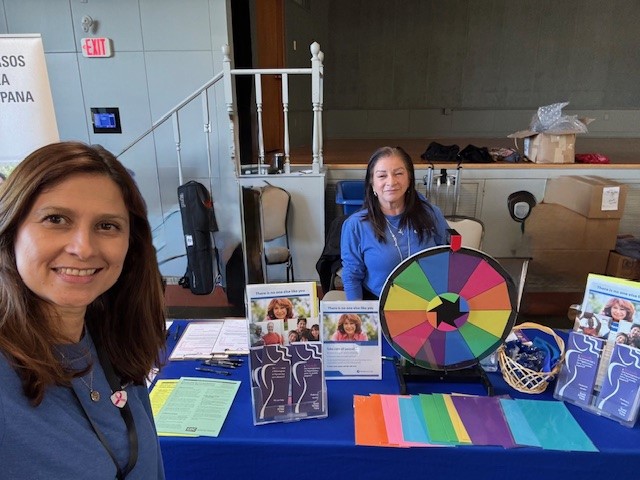
Soraya Bericoto - WWWP Regional Coordinator for Waukesha and Jefferson Counties
Soraya Bericoto is the WWWP Regional Coordinator for Waukesha and Jefferson Counties. With over 19 years of experience as a health promoter for ProHealth Care, Soraya works collaboratively within a community health department to educate women on Pap tests and HPV screening to reduce the burden of cervical cancer. Soraya and her team at the ProHealth Care - Community Outreach Department support women by leveraging the advantage of being part of the health care system. As a trusted and well-recognized department in the community, they are able to effectively deliver education and assist women in accessing breast and cervical cancer screenings.
Soraya seeks to help women overcome barriers to care, like limited access to services, fear, and limited health education. She addresses these barriers by “providing education, support, and care coordination to ensure timely access to diagnostic and treatment services, while building trust and supporting patients throughout their care journey.”
In addition to her community outreach work promoting cancer screening resources, Soraya and her team host hands-on workshops, healthy cooking demonstrations, and yoga and meditation classes in the community. She supports these community events with her certifications in Reiki, lifestyle coaching, and nutrition and wellness consultation.
When asked what she enjoys most about the work, Soraya shares that she finds “great fulfillment in supporting women through education and prevention and knowing that [her] work helps them make informed decisions about their health.”
Dawn Henslee - WWWP Program Coordinator for Rock and Dane Counties
Dawn Henslee is the WWWP Program Coordinator for Dane and Rock Counties. Bringing over 25 years of passion and dedication to her community outreach role, Dawn highlights that WWWP’s work goes beyond an initial screening enrollment and extends to “providing case management and good coaching as women navigate new systems and abnormal results.” She strives to work closely with social workers, community health workers, and clinic staff to provide everything needed to get to the final result of her members’ screening. This is especially important when supporting women who “may otherwise fall through the cracks” due to cost and transportation barriers.
Throughout her career, Dawn has been inspired by many of the folks she works with in the breast cancer field, from the Wisconsin Breast Cancer Task Force members who advocate and fundraise to the clinic staff who passionately and creatively support women seeking care.
However, she is most inspired by the people she serves, sharing, “I learn something new from each member who is screened and diagnosed with breast or cervical cancer through our program... These women show me what strength really is. I watch as they rise to the occasion and fight for their health, for their coverage, and fight to get to the other side of their diagnosis. They are the real heroes.”
The Nicotine Prevention Alliance of Central Wisconsin (NPA) is a community-based alliance that encourages tobacco and nicotine free living in Marathon, Portage, and Wood counties through education and advocacy. Their alliance works with the Commercial Tobacco Prevention and Treatment Program to address the burden of tobacco use and exposure. They strive to prevent the initiation of tobacco use by adults and youth, eliminate secondhand smoke exposure, promote the use of evidence-based strategies to treat tobacco dependence, and address tobacco-related disparities.
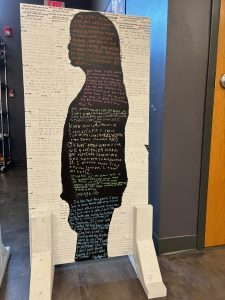
Over the last year, the NPA participated in a campaign called Unfiltered: Youth Voices Impacted by Nicotine. This campaign is taking place across Wisconsin and collects written stories from middle and high school students about how vaping and nicotine have impacted their lives. Prevention coordinators, youth organizations, and school staff have worked together to gather more than 2,000 stories statewide, with new stories continuing to be added.
After collecting more than 800 local stories, the NPA created a booklet compiling these anonymous youth voices, which shines a light on the impacts of vaping and nicotine on students’ physical and mental health, friendships, family dynamics, and school life. Then, in partnership with a local community artist and the Boys & Girls Club of the Wausau Area, the stories were given new life when they were transformed into a one-of-a-kind art display. The artwork debuted at NAMI Northwoods’ Healing Minds Art Show and will soon be placed throughout the community to drive awareness.
Courtney Tvedten, Health Educator for the NPA, highlighted the importance of working with youth, saying, “Youth are increasingly exposed to vaping and nicotine products. By equipping our youth with the knowledge and advocacy skills they need, we can empower them to share their experiences and educate decision-makers about the urgent need for change.”
Learn more about the Nicotine Prevention Alliance of Central Wisconsin’s other projects and resources by visiting their website.
Beyond Pink Foundation
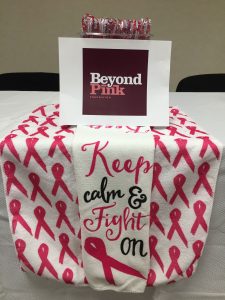
Beyond Pink Foundation is a nonprofit breast cancer organization working for change. Their mission is to transform the breast cancer community through powerful programming that improves lives, shatters burdens, and empowers the fighter.
While based in the Greater Madison area, Beyond Pink Foundation serves the breast cancer community at large. They provide supportive and inspirational programming to elevate the breast cancer community.
Though a small organization, they have worked at launching several new programs, as they work to be “small but mighty.”
Beyond Pink Foundation recently launched a podcast, Thriving Starts Here, with inspirational stories and actionable tips that breast cancer patients and thrivers can apply immediately. Next up is the launch of a student advocate scholarship program for the breast cancer community, set to start later this year.
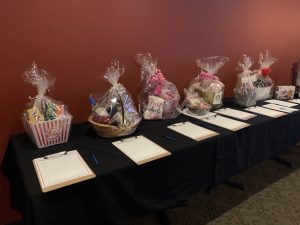
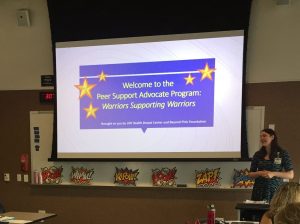
They have also found success through collaboration. Beyond Pink Foundation joined forces with Komen Wisconsin and Breast Cancer Recovery to offer Madison's first metastatic breast cancer conference. Several breast cancer fighters and thrivers attended the event to learn about the latest treatments and to hear from others fighting metastatic cancer who have walked in their shoes.
Beyond Pink Foundation is committed to continual growth and meeting the needs of the breast cancer community. If you're a breast cancer thriver, caregiver, or provider with a powerful story or message to share, consider joining them as a guest on their podcast. Beyond Pink Foundation is also continually seeking passionate individuals to join their volunteer committees and leadership board.
Learn more about Beyond Pink Foundation at www.BeyondPinkFoundation.org.
Engage online at Facebook.com/BeyondPinkFoundation and Instagram.com/BeyondPinkFoundation.

Blood Cancer United
Blood Cancer United, previously known as the Leukemia & Lymphoma Society, recently underwent a name change to better represent all the patients and families they serve. The organization was founded in 1949, and supports patients, families, and caregivers affected by all blood cancers across Wisconsin and the country.
Blood Cancer United funds life-saving blood cancer research, provides free information and support services for patients and their families, and is a voice for those seeking access to quality, affordable, coordinated care. It is the leading source of free education and support for people with blood cancer and their families. Its staff provides personalized, one-on-one support, including assistance with identifying and enrolling in a clinical trial. It is also the largest nonprofit funder of blood cancer research, investing more than $1.8 billion in the most pioneering science worldwide since 1949.
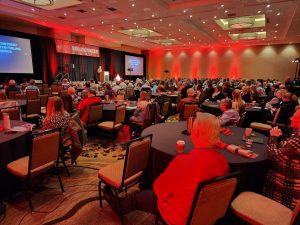
“We are seeing an increased need for blood cancer support services nationwide,” said Riley Menagh, Patient & Community Outreach Manager. “We've made tremendous strides since we started this work. Some blood cancers can now be cured and others that were once fatal can be managed as long-term chronic conditions. So, we measure our progress not just by cures, but by all those who can live long, active lives after a blood cancer diagnosis.”
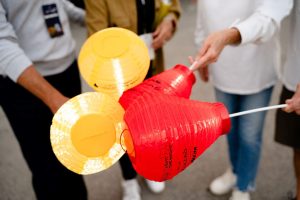
“Here in Wisconsin,” she added, “we are excited to be hosting 'Dinner with a Doctor: CAR T-Cell Therapy', a free patient education program in Madison on October 29. This event is open to any patients, families, healthcare providers, or other interested individuals and will be an evening of connection and learning. We also have our annual Light The Night events coming up; these are amazing celebrations of light aiming to drive out the darkness of cancer. Join us in Milwaukee on September 25 and Madison on October 9.”
Lee Hillstrom, Us TOO
Lee Hillstrom is the founder of the Us TOO Fox Cities chapter. The prostate cancer education and support group is coming up on a ten-year anniversary this November. Prostate cancer is the most diagnosed cancer in men after skin cancer.
“We meet monthly in Neenah and our membership comes from more than a 50-mile radius,” Lee said. “Membership is free, we have snacks and free literature. I have over 200 men on our mailing list. Our group only meets in-person, and we have had meetings with men and women attending in the 60's and 70's so far this year. Those are amazing numbers for a support group dealing with the challenges of prostate cancer.”
“Our main purpose is to educate and support men with prostate cancer,” he said. “We do this by bringing in speakers for a variety of topics, including treatment options, side effects and quality of life issues. Each year those speakers include a radiation oncologist, a medical oncologist and a urologist.” Other topics have included counseling, diet & exercise, a pharmacist, the LIVESTRONG program, hospice, mindfulness and yoga, clinical trials, grief, palliative care, acupuncture and more.
“Every person who attends our meetings or contacts me has different need,” Lee said. “We try to do the impossible, which is be everything for everyone. Our members range from just being diagnosed to those in very advanced stages.
"Obviously, their needs are different, but we have a large group with members at all stages which allows them to talk with others who have already gone through what others are just starting," he said. "There is nowhere else they can get this type of support and help.”
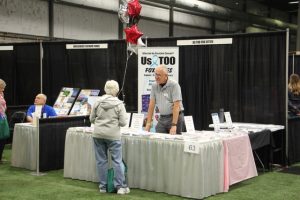
Ashley Smith, Rural Outreach Specialist - UW Carbone Cancer Center's Cancer Disparities Health Initiative
Ashley Smith, RN works as the University of Wisconsin Carbone Cancer Center’s Rural Outreach Specialist. She is part of the Cancer Health Disparities Initiative (CHDI) team working on reducing barriers to rural cancer care. Through community education on cancer screening and prevention, the hope is to improve cancer screening and early detection rates in northern Wisconsin.
“I live and work in northern Wisconsin but collaborate with tribes and rural communities all over the state,” Ashley said. An example of her work is an initiative with the Bad River Tribe in Northern Wisconsin, where they have been working together for a year and a half.
“The UW Carbone Cancer Center (UWCCC) gave the Bad River Tribe a cancer screening and prevention grant to focus on breast and CRC cancers,” she said. “I partnered with Nona Crowe, the Well Woman Program (WWP) Tribal Liaison and Benefits Specialist, to create culturally tailored activities that focus on cancer screening and prevention efforts. With Carol Cameron's permission, we shared the Pink Shawls Initiative monthly meeting and create shawls to build awareness around the various cancers affecting the native community. Each month would feature a meal, storytelling, and education on various cancer-related topics.”
“Our goal is to increase breast and colorectal cancer screening,” Smith said. “We did this through a variety of methods. We also have a grant with Bad River focusing on radon mitigation and lung cancer awareness. We try to do at least one event per month focused on these topics and the work is ongoing. In the future, we hope to do another round of radon testing and mitigation in fall and winter.”
“It is a unique partnership,” she said. “It helps that I live and work in this community so I have been able to build trust and share resources that may not otherwise have been available while addressing the cancer burden that rural and tribal communities face. I have collaborated with other tribes as well, including Menominee and Stockbridge, and hope to be able to continue to grow this work. I hope to partner with other tribes and organizations moving forward!”
Kesem at UW-Madison
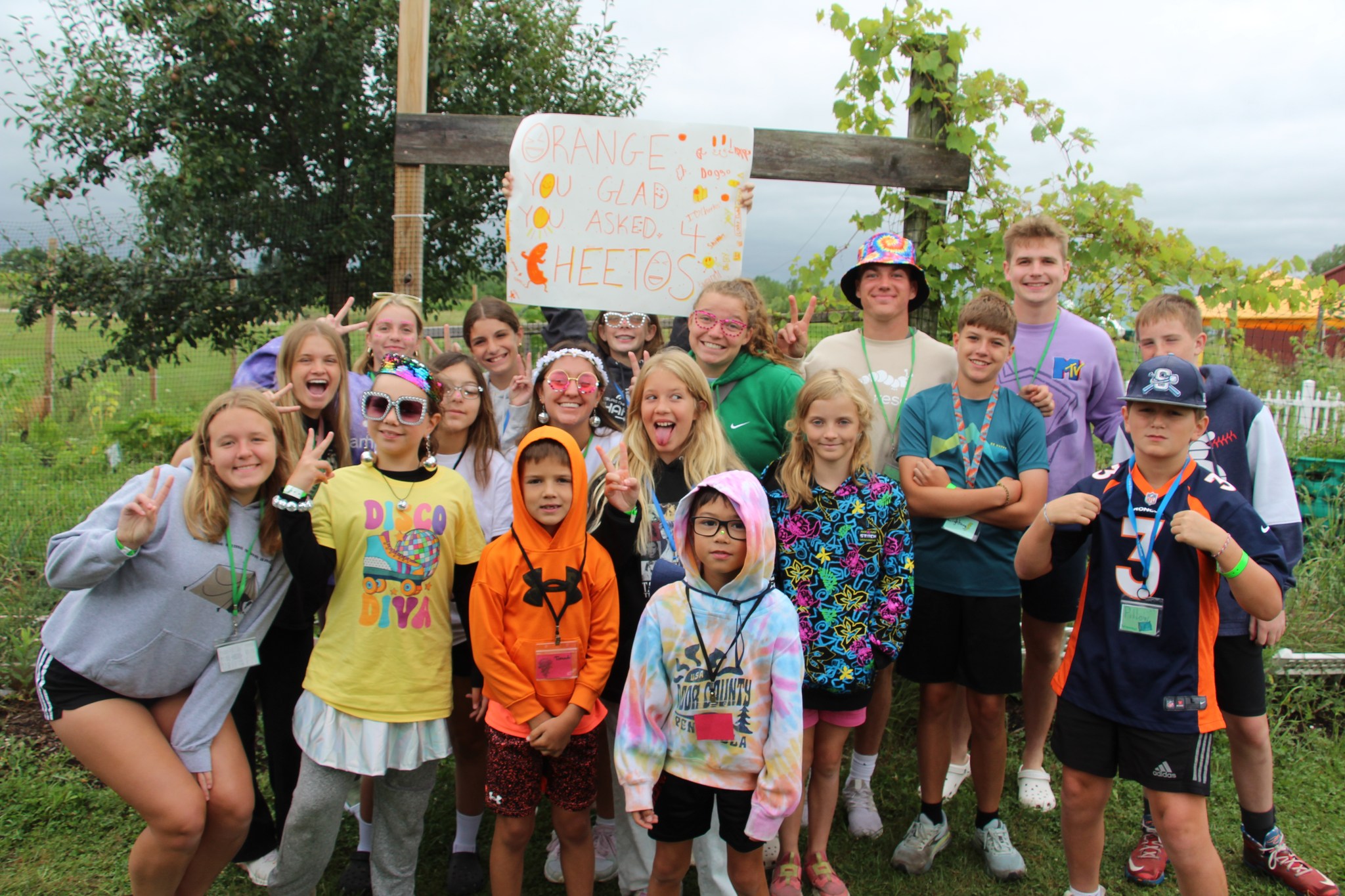
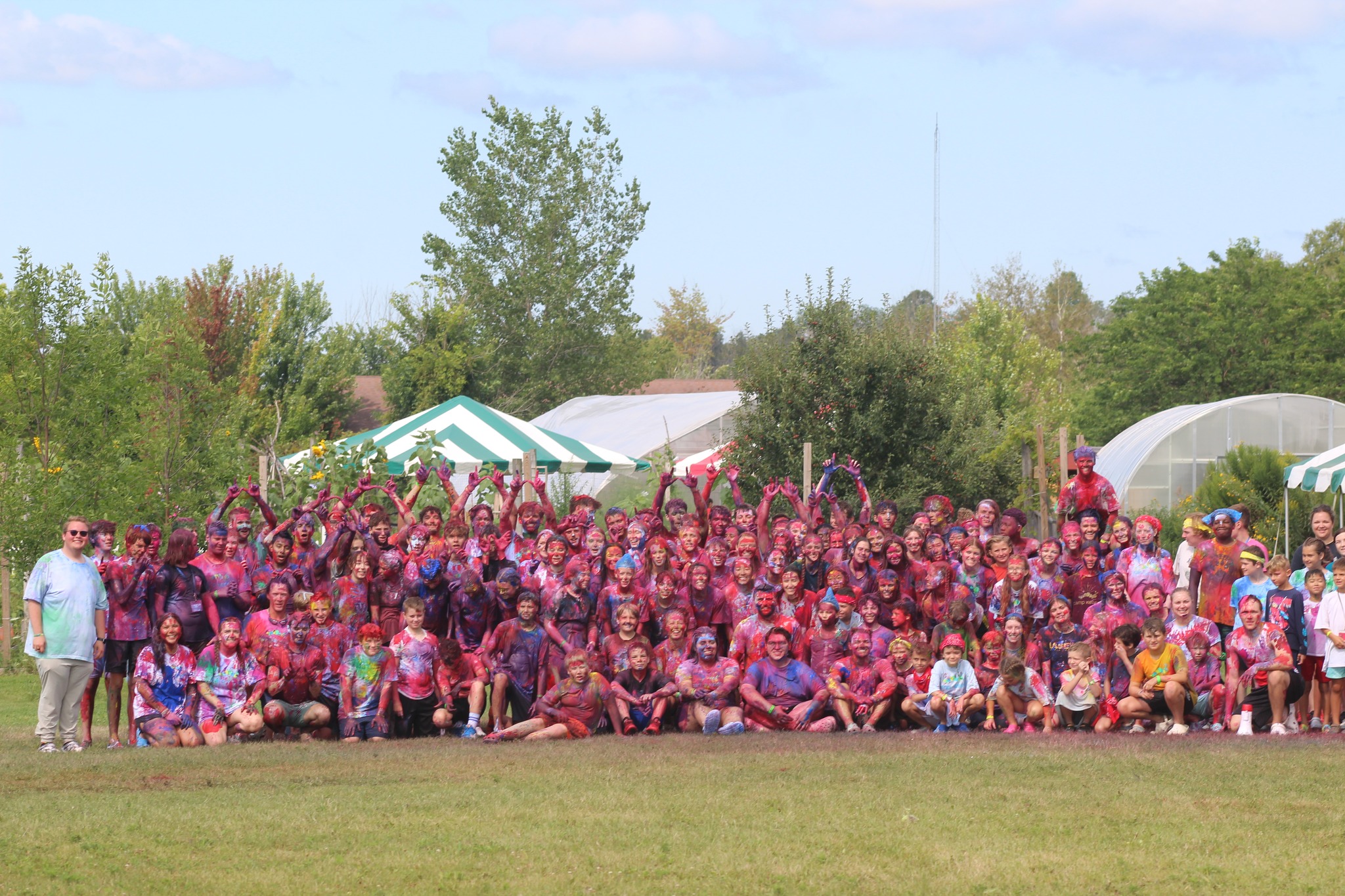
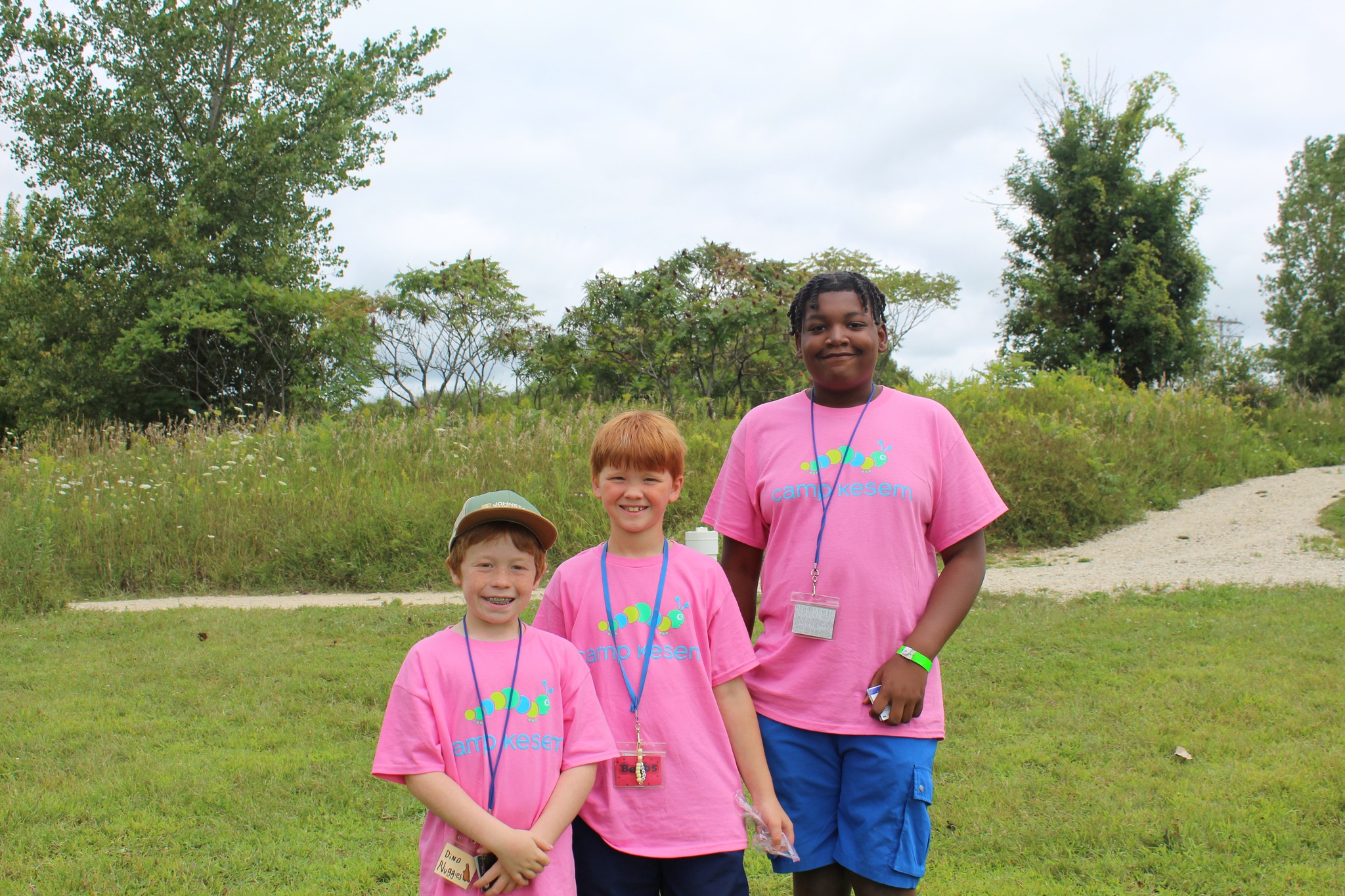
Kesem is the leading national nonprofit supporting children facing a parent’s cancer. Founded in 2000, the Kesem community consists of more than 4,700 volunteer college student leaders at more than 115 college chapters across the country, including one at the University of Wisconsin-Madison.
Kesem at UW-Madison was founded in 2010 and serves children aged 6-18 throughout Wisconsin and northern Illinois. Most of the children they serve are in the Madison and Milwaukee areas, but they are hoping to serve a larger population from northern Wisconsin. They provide free summer camps, day programs, and virtual meetups for youth and adolescents facing a parent’s cancer to connect with peers, process their experiences, and have fun.
The Wisconsin group is run by passionate college students hoping to make a difference for children affected by a parent’s cancer. They create experiences and connections for children to process, connect, heal, and thrive. They believe all children facing a parent’s cancer deserve the chance to fully experience the joys of childhood and be their best selves.
Their flagship project is a free summer camp, with three sessions offered each summer. For many children and volunteers, Kesem is a life-changing experience that spans far beyond a week at summer camp. It fosters bonds and understanding that builds resilience, confidence, and lasting feelings of hope and joy.
This year’s camp dates are June 22-27, July 20-25, and August 10-15. Kesem also offers kids events throughout the year, such as Virtual Cabin Chats, and a Friends and Family Day in the Spring and Fall.
Kesem and its services are available for children at any point in their caregivers' cancer journey. All their services are provided at no cost to families. Additionally, they provide extra support including assisting with transportation to and from camp, providing supplies and clothing, or any other accommodations that families need to reduce barriers to attending camp. Campers are also able to receive Kesem year-round support services without attending a week of camp in the summer.
Wisconsin Women's Health Foundation
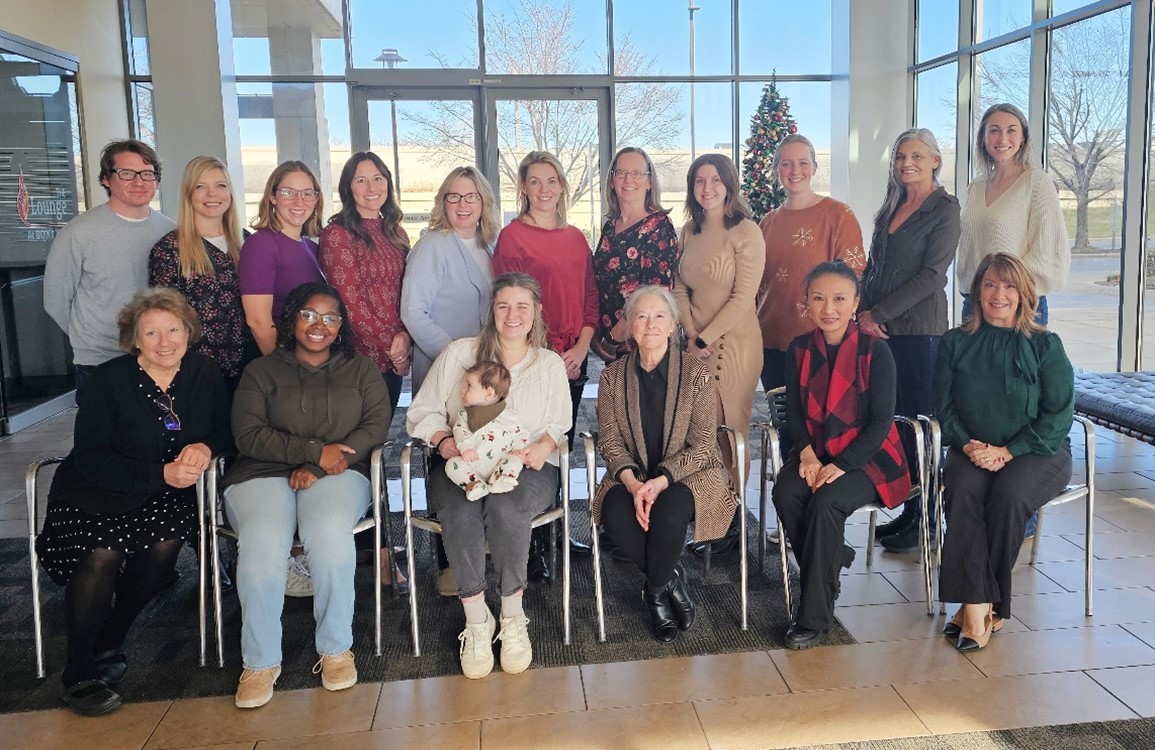
The Wisconsin Women’s Health Foundation (WWHF) was founded in 1997 with a mission to innovate, impact, and improve women’s health.
Now in its 28th year, WWHF provides services to all people across the state of Wisconsin. WWHF employees come from and work in all regions of the state.
WWHF provides critical health services and education throughout Wisconsin through several key programs:
- First Breath provides support to pregnant and postpartum individuals to make positive changes in tobacco, alcohol, and other substances.
- GrapeVine connects women with trusted health information and resources to help prevent chronic disease.
- Well Badger Resource Center is a health information and referral service connecting people to social, health, and government programs available in their communities.
In their work, WWHF collaborates with other organizations on programs including Well Woman and Wise Woman.
WWHF is also a partner on two Community and Cancer Science Network projects - the Mammographic Quality Initiative (MQI) and the Collaborative Work Groups (CWG) Initiative. Both projects apply a transdisciplinary approach to improve cancer disparities.
The MQI includes team members from WWHF, the WI Cancer Collaborative, Medical College of Wisconsin, the Wisconsin Well Woman Program, and Evaluation Plus. The project is gathering regional learning collaboratives of mammogram providers to understand where potential differences in the clinical screening process may be contributing to disparities, and direct quality improvement towards equity.
Immunize Wisconsin
The Immunize Wisconsin Coalition (IMWI) was founded in 2022 through a grant from the Wisconsin Department of Health Services. Stewarded by the Wisconsin Chapter of the American Academy of Pediatrics, the organization was developed to amplify the existing work being done by vaccination organizations and coalitions throughout Wisconsin.
The mission of Immunize Wisconsin is to create a healthier and more equitable Wisconsin through their commitment to supporting and amplifying the work of vaccination organizations. Their vision is to secure additional support to ensure the sustainability and longevity of IMWI, to maximize their impact, and to improve vaccination rates for children, adults, and families in all communities in the state.
Among the challenges the organization faces is vaccine hesitancy. Even prior to the Covid-19 pandemic, vaccine hesitancy hampered the ability to keep our populations as safe from preventable disease as they would have liked. Since 2020, vaccination rates have plummeted and efforts to regain them have been incredibly challenging.
Previously eradicated, or nearly eradicated, diseases like measles, polio, and even mumps, have reappeared in U.S. populations. Flu rates have soared. One death from a preventable disease is too many. The charge for IMWI is to keep meeting people where they are, answer questions and stay the course. Facts are facts, but there are many barriers, especially from misinformation.
The IMWI annual conference, “Champions for Health: Boosting Vaccination Confidence in Uncertain Times,” will be held in Madison on May 14-15, 2025. Last year's attendance increased by 30%. Find out more at immunizewi.org/events/.
IMWI also holds a regular webinar series, and the recordings and presentation decks of those presentations can be found at immunizewi.org/events/#webinars.
As for the future, IMWI hopes to continue to create a strong vaccination ecosystem in the state, with dedicated partners and committed champions. Funding will be critical to the growth of the coalition. IMWI would like to provide a community platform for sharing best practices, collaboration among immunizers across the state, and continued support for up-to-date information and recommendations. They expect to need to fill ever-changing informational gaps that may be on the horizon in both the childhood and adult vaccination spaces.
To join the mailing list, and sign up for the Immunize Wisconsin listserv, visit their website at immunizewi.org. @immunizewi is up and running on Instagram, Facebook, and LinkedIn.
American Indian Cancer Foundation
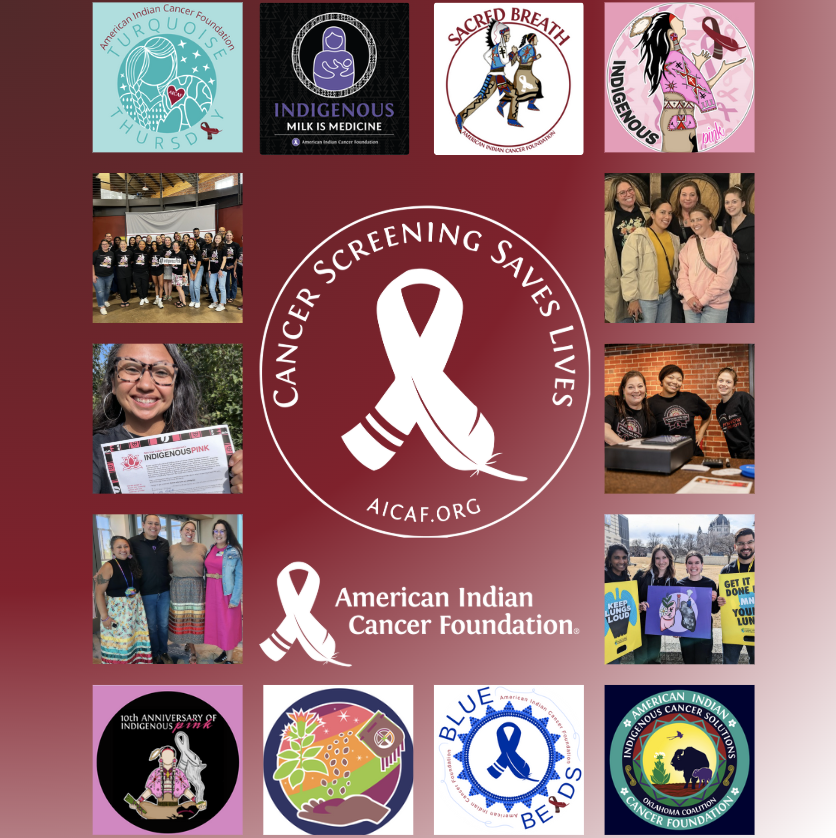
The American Indian Cancer Foundation (AICAF) was founded in 2010, with the goal of eliminating the cancer burdens faced by Indigenous peoples across the United States. Through culturally-specific initiatives, research, and community-driven solutions, they work to reduce health disparities and empower Indigenous communities to take control of their health.
AICAF works closely with Indigenous communities and partners, providing culturally-tailored tools and resources that respect and incorporate Indigenous knowledge and traditions throughout the cancer continuum. They recognize that data erasure and underrepresentation of Indigenous peoples hinder efforts to address health disparities. Without accurate data, it’s challenging to assess needs and provide effective support to tribal communities. AICAF is dedicated to working with Indigenous leaders, researchers, and communities to ensure Native voices are included in data collection and analysis.
The AICAF commitment to innovation and community-centered leadership is strong. They believe the best solutions arise from within and prioritize listening to and working alongside their communities to understand their unique needs and gaps. Together, they strive to improve access to cancer screening and enhance health literacy, empowering Indigenous people to live healthier, cancer-free lives.
There are several exciting events on the AICAF calendar in 2025. In March, they will mark the 7th annual Blue Beads event for Colorectal Cancer Awareness, and in October, the 11th annual Indigenous Pink event for Breast Cancer Awareness. In November, they will host their inaugural conference to foster connection, knowledge sharing, and cultural engagement in addressing cancer disparities.
Collaboration is at the heart of their work, and they continually seek partnerships. Last year the Blue Beads event brought together two funders and 30 tribal and urban Indian clinics to create community-based colorectal cancer solutions, resulting in 444 people being screened.
Going forward, AICAF is committed to shaping the future of cancer care for Indigenous survivors and caregivers, while serving as a trusted resource for decision-makers and community partners. By fostering partnerships and advancing culturally-grounded solutions, they aim to lay a foundation for a future where cancer is no longer the leading cause of death for Indigenous people. Together, they will create a healthier, more equitable world for generations to come.
Molly Collins, American Lung Association
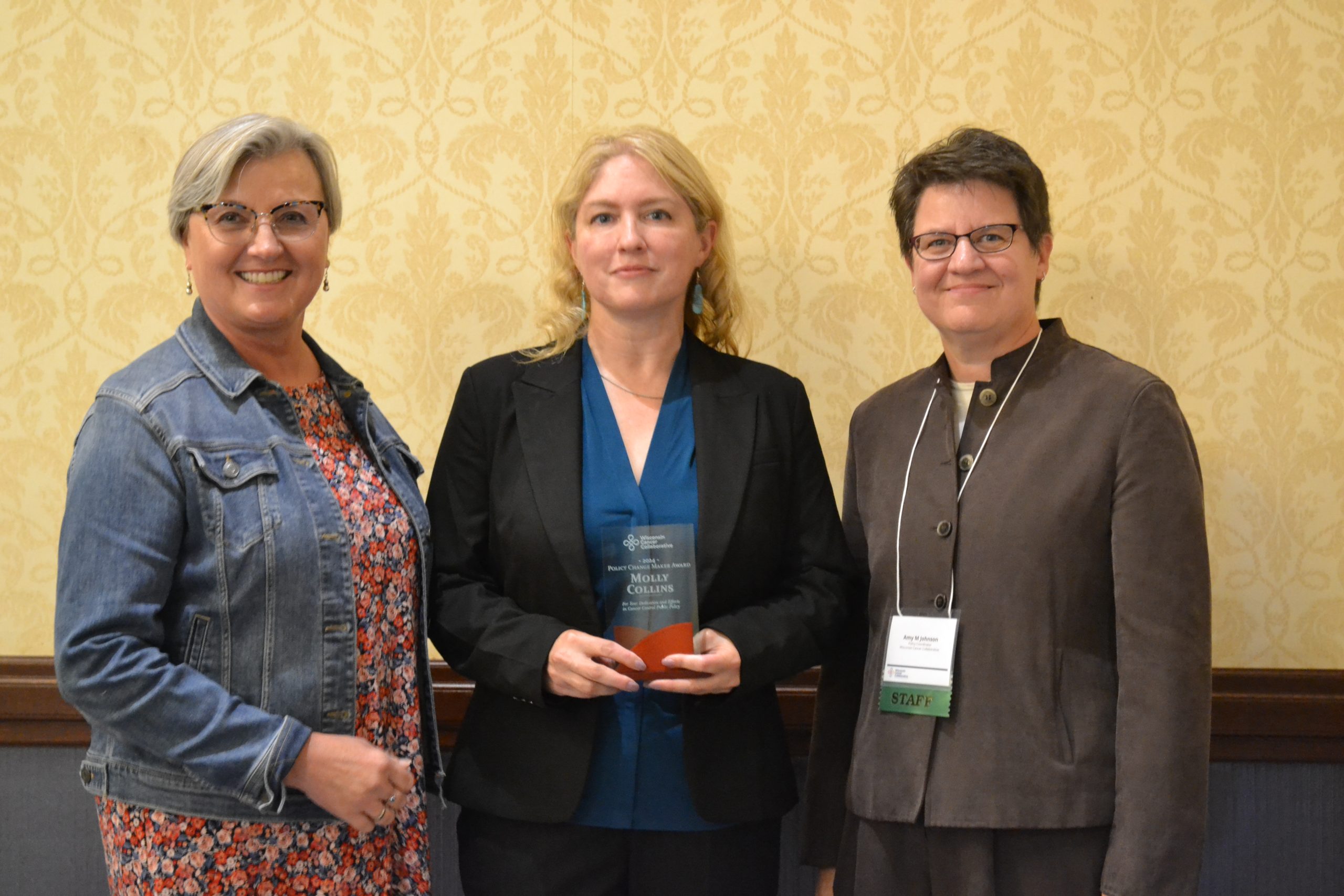
Molly Collins, accepting her Policy Change Maker award at the 2024 Cancer Summit
Molly Collins is the Advocacy Director for Wisconsin and South Dakota at the American Lung Association, where she works to expand healthcare access, champion clean air for all, improve the quality of life for those with lung disease and their families, create a tobacco free future, and end lung cancer. The Lung Association works toward those goals through research, education, and advocacy.
Molly was recognized by the Wisconsin Cancer Collaborative with the Policy Change Maker Award in 2024. Molly agreed to tell us about her work for our Member Spotlight feature. Here is her story:
I spend plenty of time in the state capitol, but since this is the beginning of a new legislative session, I’m scheduling introductory meetings with all 40 of the newly elected legislators. I want to make sure they know about the Lung Association’s policy priorities, and how I can be a resource to them as they make law and policy that impacts us all.
I’m sort of a one-person department in Wisconsin, so I rely on a lot of organizational partners and volunteers for my work. We know that facts and figures don’t move elected officials as much as you might want – they need to hear the stories of people who are impacted by the problems that we want to address. I bring people with me to testify, or work with them to share their stories in the media or in a letter to their representatives. Last legislative session, I worked with partners and volunteers to defeat a bill that would have opened a loophole in our state’s clean indoor air law that prevents people from smoking tobacco indoors. It was very impactful when I was sharing my testimony in the committee hearing that I was also carrying with me the testimony of many others who would be harmed by allowing smoking indoors again. Unfortunately, I expect that bill might return this session, so we will be fighting that if it is reintroduced. If you hate the idea of returning to the smoky tobacco bars of fifteen years ago, please feel free to reach out and work with me on that!
The Lung Association has several other advocacy priorities, but one other big area is extending Medicaid coverage for postpartum people from the two months they receive to 12 months. We also expect to be doing defensive work to ensure that people who need Medicaid coverage can access it.
I work closely with the Wisconsin Cancer Collaborative on their policy committee, because that is a group of people who care about so many of the same issues as I do. People who want to stay connected to my work might want to sign up for our Lung Action Network to get Wisconsin alerts. You can also just send me an email to [email protected]. I’m quite passionate about connecting individuals to the levers of power and helping them to advocate for meaningful change, so I’m always up for a chat about whatever state policy issue you are thinking about!
Wisconsin Department of Health Services Radon Program
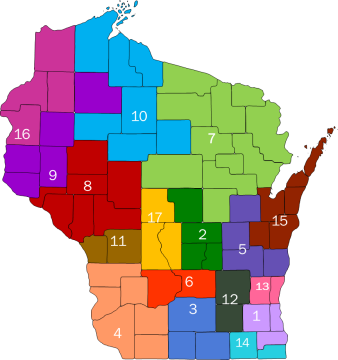
Color coded map of the 17 Radon Information Centers covering all of Wisconsin (DHS, 2025).
The Wisconsin Department of Health Services Radon Program leads statewide outreach efforts to educate the residents of Wisconsin on the health risks associated with indoor radon gas. Their goal is to minimize and prevent radon-related lung cancer in Wisconsin.
The Radon Program has long been a member of the Wisconsin Cancer Collaborative. They are the first organization to be featured in our new Member Spotlight, helping us know more about our fellow associates and the work they do to make progress against cancer in Wisconsin.
They encourage radon testing and mitigation among homeowners, business owners, renters, schools, and childcare centers; offer expert consultation on matters pertaining to radon and health; and provide leadership and financial support for radon outreach and education across Wisconsin.
The Radon Program has led radon outreach work in Wisconsin since 1989, and funds 17 regional Radon Information Centers (RICs) throughout the state. Each RIC has professionally trained staff in radon topics such as radon health risks and radon measurement. RICs offer radon test kits, usually at discounted prices, for residents in their region. Find your regional RIC by searching your county at https://www.dhs.wisconsin.gov/radon/infocenters.htm.
One of the challenges of radon work is that people don’t easily recognize radon as a health risk. Because you can't see radon gas or smell it, many people don't consider it a health risk until it's too late. While radon exposure doesn't cause health problems in the short-term, it can cause lung cancer after years of inhalation exposure at high levels. The radioactive particles from radon can damage lung cells over time, to the point where the cells become cancerous.
Radon testing generally increases during the winter, when doors and windows remain closed and provide optimal conditions for testing protocols. Additionally, National Radon Action Month is every January, and many regional RICs run awareness campaigns and offer free or discounted test kits to homeowners.